

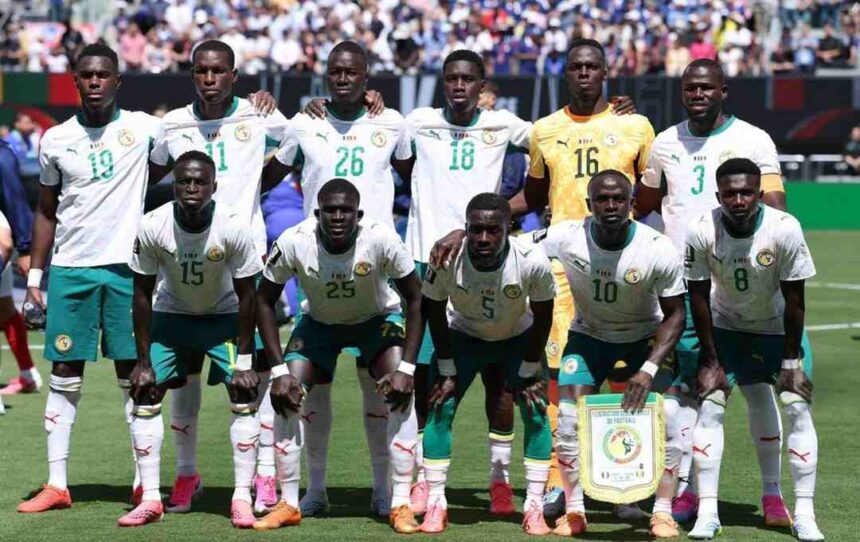
Senegal left MetLife Stadium with plenty of regrets after a 3-1 defeat to France in their opening 2026 FIFA World Cup match. While the scoreline suggests a comfortable French victory, the contest told a very different story for long periods.
For much of the first half, Senegal looked the better side. They pressed aggressively, exploited the spaces left by France’s attacking full-backs and created the clearer opportunities. Yet when the moment arrived to take control of the game, they failed to make their dominance count.
Nicolas Jackson came closest when he struck the post, while several dangerous attacks ended without the finishing touch they desperately needed. Against elite teams at a FIFA World Cup, those missed opportunities often come back to haunt you. Senegal learned that lesson the hard way.
Senegal Must Be More Ruthless in Front of Goal
One of the biggest positives for Senegal was their ability to trouble one of the tournament favourites.
France struggled badly during the opening 45 minutes. In fact, Les Bleus managed just one shot throughout the first half, a blocked Ousmane Dembele effort worth only 0.02 expected goals. They failed to register a single shot on target and their front three recorded only one touch inside the Senegal penalty area.
Despite creating discomfort for France, Senegal failed to convert their superiority into goals.
That inability to punish opponents could become a major issue as the tournament progresses. They cannot afford to dominate periods of matches without finding the net. The difference between qualification and elimination often comes down to efficiency in both penalty boxes.
Senegal Need to Maintain Their Intensity for 90 Minutes
Another major lesson for the African powerhouse revolves around game management.
The opening half showcased a disciplined and energetic Senegal side that disrupted France’s rhythm and forced mistakes. However, the intensity dropped after the break and France immediately capitalised.
Didier Deschamps adjusted his system, giving Michael Olise greater freedom in advanced areas. The impact was dramatic.
Olise became the creative spark France had lacked before half-time. He created four chances in the second half, including two classified as big chances, while also providing the assist for Kylian Mbappe’s opening goal.
As France improved, Senegal struggled to respond.
The African side looked increasingly stretched defensively and found it difficult to regain control of the midfield battle. Future opponents will study this match closely, making it essential for them to maintain concentration and tactical discipline for the full duration of games.
Pape Thiaw Men Cannot Allow World Class Players Extra Space
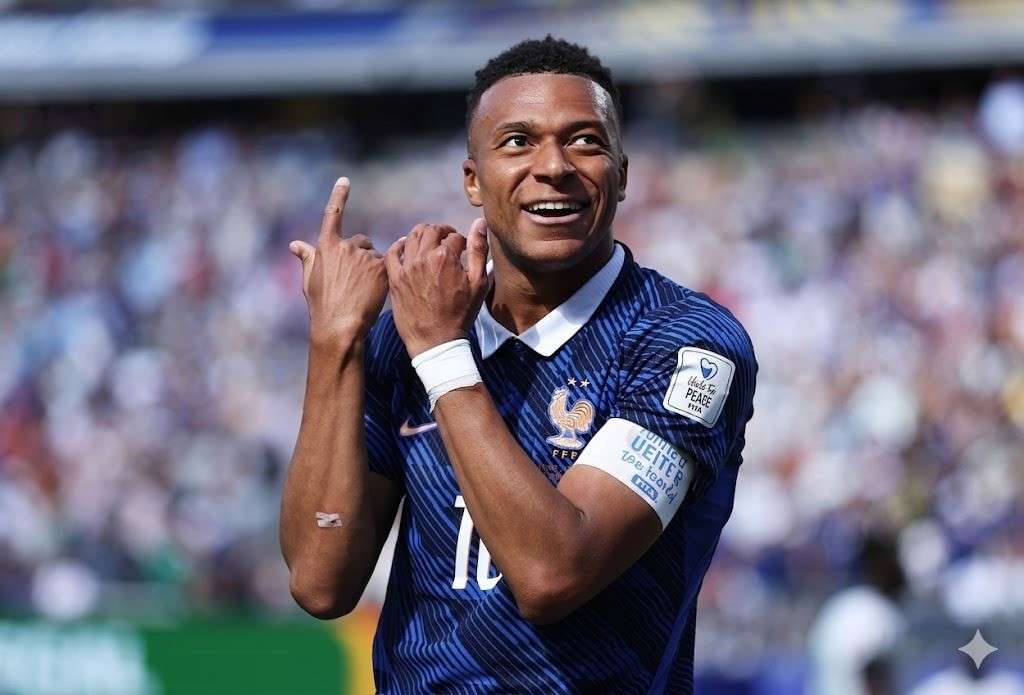
Few players punish mistakes more effectively than Kylian Mbappe.
For over an hour, Senegal managed to contain the France captain reasonably well. However, once France found greater balance in attack, Mbappe began finding dangerous spaces between the lines.
The result was devastating.
Mbappe first equalled France’s all-time scoring record before producing a stunning long-range strike to move clear as his country’s leading goalscorer. His second goal underlined the danger of allowing elite players even a brief moment of freedom.
At this level, a single lapse can change everything.
Senegal’s defenders will face more high-quality attackers against Norway and potentially beyond. Limiting space around the penalty area must become an immediate priority.
Ibrahim Mbaye Gives Senegal Hope for the Future
Despite the disappointment of defeat, Senegal discovered a new reason for optimism.
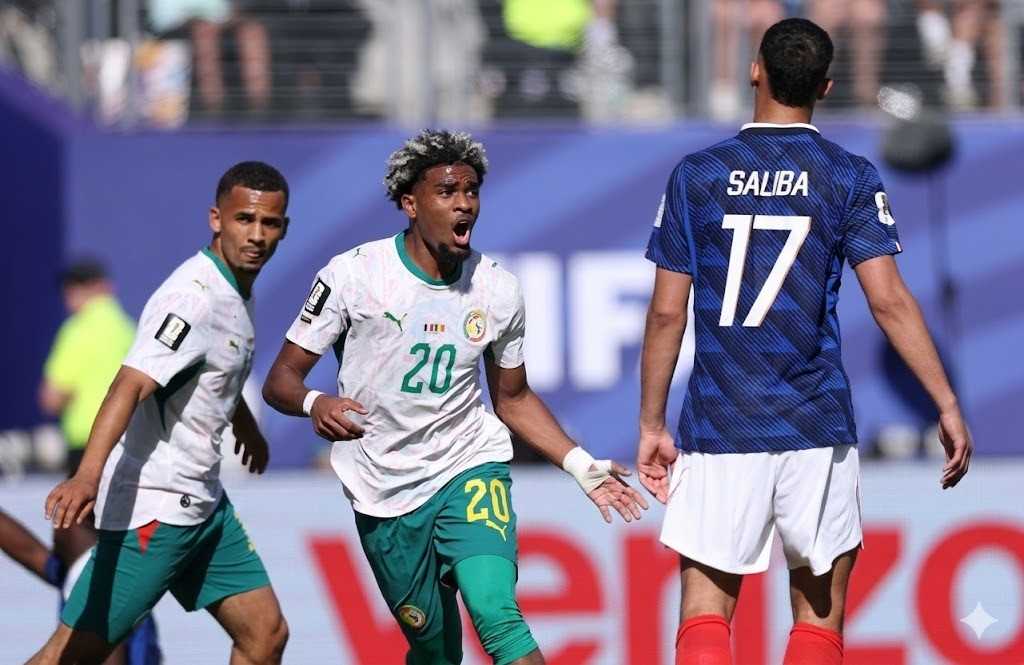
Ibrahim Mbaye announced himself on the biggest stage by finding the net and making history in the process. At just 18 years and 143 days old, he became the youngest African goalscorer in FIFA World Cup history.
The teenager also became the second-youngest player ever to score on his World Cup debut, behind only Spain’s Gavi.
His achievement provided one of the brightest moments of Senegal’s evening.
More importantly, Mbaye showed confidence, composure and maturity well beyond his years. Senegal may have lost the match, but they could have uncovered a player capable of leading the national team for many years to come.
Senegal Must Build Around Their Positives
Although the final result disappointed supporters, Senegal should not ignore the encouraging aspects of their performance.
They unsettled one of the strongest teams in the competition. They exposed weaknesses in France’s defensive structure. They created chances and showed they belong on football’s biggest stage.
The challenge now is turning those positive moments into results.
Senegal cannot dwell on the defeat because Group K remains very much alive. Their next match against Norway in New York on June 22 now takes on enormous significance before they conclude the group stage against Iraq in Toronto on June 26.
The Road Ahead for Teranga Lions
The good news for Senegal is that qualification remains firmly within reach.
However, the margin for error has disappeared.
The defeat to France highlighted several important lessons. They must become more clinical in attack, maintain their intensity throughout matches, manage key moments better and continue nurturing exciting talents such as Ibrahim Mbaye.
If they learn from those mistakes quickly, their 2026 FIFA World Cup campaign can still be a success.
If they do not, a promising performance against France may ultimately be remembered as the moment their World Cup ambitions began to slip away.