

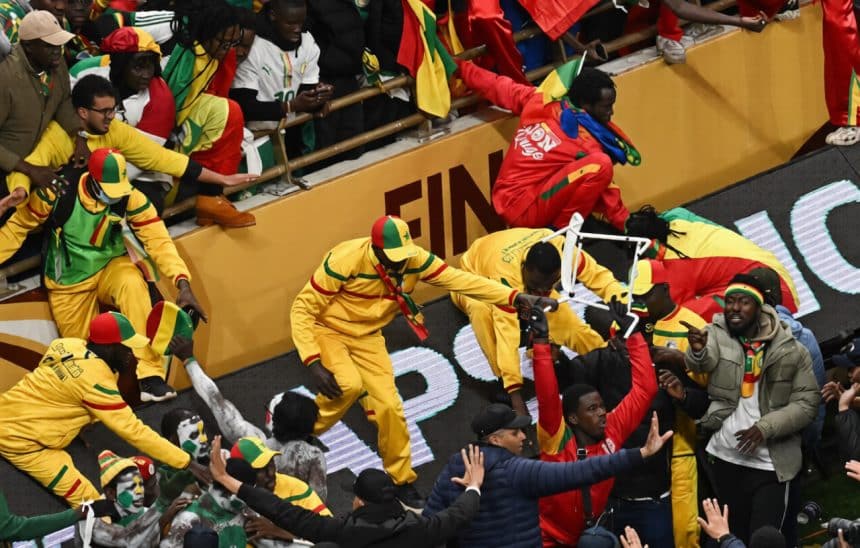
The Senegalese Football Federation has formally condemned the sentencing of 18 Senegalese football fans in Morocco following the conclusion of last month’s Africa Cup of Nations final, Trybal News reports.
A court in Rabat handed down prison terms ranging from three to 12 months on Thursday, sparking a diplomatic and sporting row between the two nations. The fans had been held in pre trial detention since January 18, the night Senegal secured a 1–0 victory over the host nation to claim the continental title. The FSF described the judicial outcome as disproportionate given the circumstances of the match and the nature of the incidents involved.
The legal proceedings stemmed from chaotic scenes during the final stages of the high stakes encounter at the home stadium of the Atlas Lions. As the match neared its end, several supporters attempted to invade the pitch while Senegalese players famously halted play for nearly 20 minutes to protest a late penalty awarded to Morocco. The prosecution charged the defendants with hooliganism, acts of violence against law enforcement, and the destruction of sports equipment. Specific evidence presented in court included fans throwing projectiles and furniture onto the field during the heated atmosphere of the final.
Official reactions from the Senegalese football hierarchy have been characterized by shock and a demand for a review of the penalties. Bacary Cisse, the president of the FSF’s communications committee, expressed the federation’s frustration with the severity of the court’s decision. Speaking to the AFP news agency, Cisse voiced the collective frustration of the football community back home. “We express our profound dismay and distress following the verdict. This incomprehensibly harsh decision has provoked widespread outrage,” he added. The federation argued that similar stadium incidents occur globally without resulting in such severe criminal consequences.
The specific sentencing details reveal a tiered punishment structure based on the severity of the individual actions. Nine supporters were handed the maximum one year prison sentence and a fine of 5,000 dirhams, while six others received six month terms with smaller financial penalties. Three additional fans were sentenced to three months in prison. Cisse further challenged the consistency of the Moroccan judicial system, stating that clashes occur in numerous stadiums around the world, including every weekend in Morocco, without resulting in such sanctions. Defense lawyer Patrick Kabou echoed these sentiments, labeling the verdict as incomprehensible and maintaining that his clients were victims of the situation.
This sentencing has cast a shadow over Senegal’s historic victory and raised concerns regarding the treatment of visiting fans in international competitions. The FSF maintains that while stadium order is paramount, the legal response should remain balanced and fair. As the legal team for the supporters considers further action, the Senegalese authorities continue to provide support to those incarcerated.