
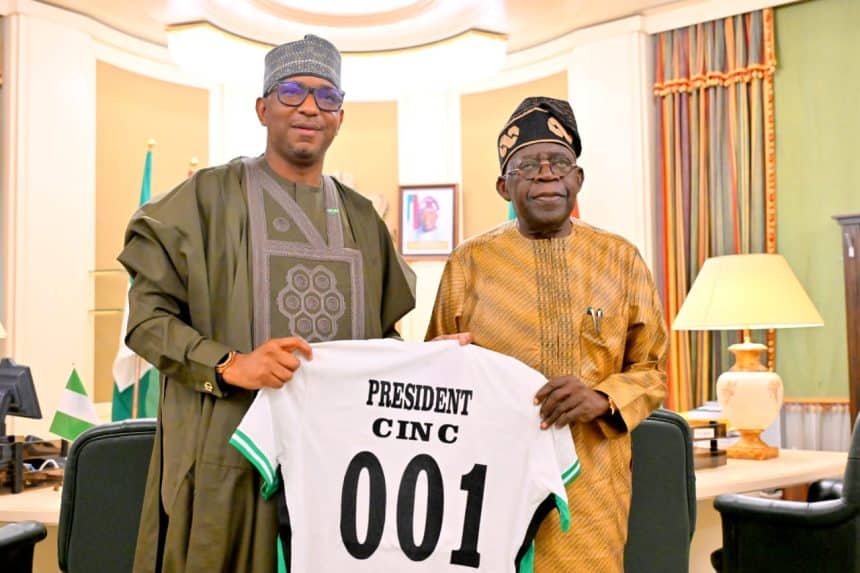
President Bola Tinubu has officially approved the constitution of the Board of the Nigeria Anti Doping Agency, marking a significant step in the country’s commitment to international sporting standards. The Chairman of the National Sports Commission, Malam Shehu Dikko, announced the development on Thursday following a high level meeting with the President at the State House in Abuja.
This move follows the President’s recent signing of the Anti Doping Bill into law, an essential piece of legislation that had faced nearly two decades of administrative delays. During the briefing, Dikko emphasized that this decision fulfills a critical requirement of the World Anti Doping Agency and solidifies Nigeria’s standing in the global effort to maintain clean and fair sports.
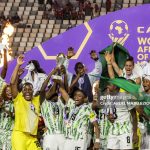
The NSC Chairman utilized the visit to provide a comprehensive report on the successes achieved within the sports sector over the past year. He revealed that Nigerian athletes secured approximately 375 medals across various international competitions in 2025, a statistic that highlights the growing prowess of the nation’s sporting talent. While discussing the administrative progress with State House Correspondents, Dikko noted the President’s positive reaction to the recent milestones. He remarked that the move met a key requirement of the World Anti Doping Agency and strengthened Nigeria’s clean sport status. Addressing the President’s feedback directly, Dikko stated, “Mr President is very happy, he’s very excited with the progress.”
Beyond the field of play, the sports commission provided data illustrating the sector’s increasing impact on the national economy. According to official reports, the sports industry contributed 1.2 percent to the Gross Domestic Product during the third quarter of 2025. This economic growth was bolstered by the commission’s ability to attract 50 billion Naira in private sector funding, reducing the total reliance on government allocations. Dikko further highlighted the sector’s role in the national employment strategy, noting, “Last year, we induced almost about 140,000 jobs, both direct, indirect, and induced.”
The meeting also served as a platform to outline the National Sports Commission’s strategic roadmap for 2026. Dikko explained that the commission is actively implementing the Renewed Hope initiative to transition sports from a mere recreational activity into a primary driver of national economic growth. Part of this vision involves the fast tracking of sports infrastructure projects across the country to ensure that athletes have access to world class training facilities. The Chairman confirmed that “And now he has approved that the board of the Anti-Doping Agency of Nigeria should be constituted,” which will provide the necessary oversight to govern these new developments effectively.
Focusing on the future of talent discovery, the commission is introduced new formats to enhance grassroots participation. A key highlight for the last year was the introduction of the Invited Junior Athletes category at the National Sports Festival, designed to provide younger prospects with a platform to showcase their skills alongside seasoned professionals.